
National Granola Bar Day
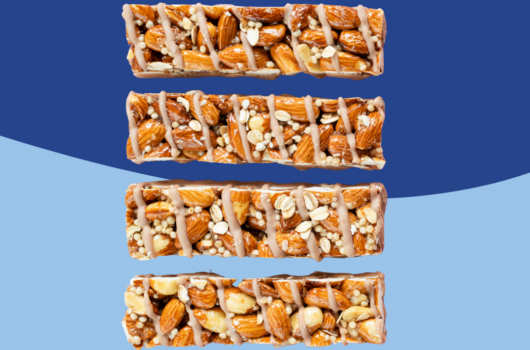
Who comes up with these random national days, am I right? Well, apparently January 21 is recognized as national granola bar day to honor “The nutritious and convenient snack that granola bars represent.”
So, let’s talk about granola bars. Granola bars are traditionally made from rolled oats, honey, nuts and a variety of other ingredients and are often used as a snack option.
As a nutritionist, my style is not to label foods “good” and “bad,” but rather to educate consumers about what they’re eating so they can determine how that food fits into their total food intake. I believe just about any food, even indulgent items, can fit into an overall healthy diet when the diet is first saturated with whole, nutrient dense options. The problem is that many food companies trick consumers into believing a food product is “nutritious” simply because there may be one nutritious ingredient in it, and then their diet as a whole tends to be high in sugar without even realizing it because they have been duped by food companies or by the advertisement of “national granola day recognizes granola bars a healthy snack option.”
Some granola bars are created more like a dessert than a nutritious snack, but consumers only pay attention to the marketing words on the front of the package. For example, even the cereal Lucky Charms has the label on the front of the box that it is “made with whole grains” which distracts from the fact that there is 12g of added sugar per 1 cup serving. For reference, the American Heart Association recommends limiting added sugars to 25 g per day. Having one cup of Lucky Charms soaks up nearly half of that recommendation. If that is the only source of added sugar in the day, then a person could still be within those guidelines. However, how and when a certain food comes in can impact other food choices in the day. For example, starting the day with a high sugar, low protein and low fiber food source, can often leave a person on a blood sugar roller coaster where they are unsatisfied and still hungry, therefore tempted to keep chasing another sugar fix. A Quaker Chewy Granola Bar is advertised on the front of the box as ‘made with 100% whole grains’ but in smaller print on the side of the box it is labeled as having 7 grams of added sugar. Seven grams of sugar for a small, not filling granola bar!! So, you can see how it is misleading to suggest that a granola bar is a “nutritious snack.” Yes, it can be a resourceful useful snack for certain occasions, but it is not accurate to simply state that it is a ‘healthy snack.’
Context matters. How and when matters.
My goal here will be to educate on how a granola bar can fit into a diet or be a positive choice in certain circumstances, or to consider if the granola bar is worth it, based on your goals, as well as ideas on how a traditional granola bar might be enhanced to be more nutritious.
Let’s break it down into the pros and cons of traditional granola bars.
Pros:
- Granola bars can be a quick source of fuel. Because many versions have added sugar AND natural sugars, granola bars are predominately a carbohydrate source. These carbohydrates can be used as a resource for the muscles during physical activity. I might put a granola bar in my pack on a hiking trip when I know that I can use those sugars for quick fuel for my exertion, or as a quick pre sport snack for my son.
Cons:
- Granola bars are often used for convenient snacks. However, because granola bars tend to be high in carbohydrate with the combination of oats, dried fruits, and sometimes chocolate chips, they will likely spike a person’s blood sugar. This is ok if that blood sugar spike can support physical activity. But many Americans are having a granola bar while driving in traffic or sitting at their work desk and therefore the body doesn’t need that quick fuel in times of being sedentary. Granola bars also tend to be low in fiber. The Quaker Chewy granola bar offers only 1g of fiber. This means the food won’t fill a person up as they will experience a quick rise and fall of their blood sugar and still looking for something else to eat.
Alternative Convenient Balanced Snack Considerations:
There are many other options out there that also fit the bill of “convenient and nutritious.” Whole foods will always be my top recommendation and top choice, but there are also times when we need something that is shelf stable. I like to look for products that have few simple ingredients and as low of added sugar as possible, ideally no added sugar. Keep in mind that if something still tastes sweet but says ‘no added sugar,’ that it will likely contain sugar alcohols to provide that sweetness. That is a topic for a different time, but ideally, I also like to find products that use no sugar alcohols, or as little sugar alcohols as possible. I prefer to make my own healthy snacks or homemade granola bars so that I can control what goes into it. There are so many wonderful recipes on the world wide web to find. I will link one of favorites below.
- Homemade trail mix: a mix of raw nuts (cashews, almonds, walnuts), pumpkin seeds, unsweetened coconut shreds, dried blueberries, Lily’s no sugar added dark chocolate chips.
- That’s It Fruit Bar – made with real fruit, therefore still a carbohydrate source, but no added sugar.
- Rx Bar – still rich in carbohydrate from the use of dates, which makes it higher in fiber, but no added sugar
- Yogurt Drinks – The Chobani version offers 20g protein and no added sugar and the Oikos version offers 23g protein and no added sugar.
- Meat Sticks such as Chomp or Archer Farms – not a carbohydrate source, but a quick, convenient, shelf stable high protein snack
- Single serving bags of popcorn – popcorn is a carbohydrate source, but no added sugar, look for varieties that use coconut oil and/or sea salt. Avoid the versions with other ingredients like sugar or white cheddar which will increase the calories too.
- Whole Fruit – apple, banana, orange, plum, pear, grapes, etc
- Whole Veggies – snap peas, carrots, cucumber, zucchini, cherry tomatoes, etc
- Make your own granola bars and you can even modify the recipes you find. I like these recipes, but I would even use less honey than is called for. If I use less honey, I need to replace it with another sticky type texture to help it form. I would add a little melted coconut oil in its place. Healthy Granola Bars {Easy Homemade Recipe} – WellPlated.com. ; Healthy Granola Bars (4 Ingredients, No Bake) – Cooking With Ayeh
- Other homemade snacks such as protein brownies or protein muffins. Once they are made, I store them in individual baggies in the fridge so I can still conveniently grab one and go, just as if it was a granola bar in the pantry. Brown bananas are sweet and can be used as the sugar/carb source of the recipe and protein powder can even be added to the baked good to make the snack more balanced. Fudgy Protein Brownies (4 Ingredients!) – The Big Man’s World ® 5-Ingredient Protein Muffins {20 grams} – The Big Man’s World ®
- There are many protein bars and granola bars on the shelves. It would be impossible to go through all of them. I encourage you to turn it over and read the label and ingredient list on the back. Don’t just go by the buzz words on the front of the package. Know what you are buying. And know what you are buying it for. Is it to fuel activity, or is it for a midday snack while not doing anything active? That will determine the different need. Either way, aim for products with fewer ingredients. Choose versions with higher protein and fiber. Avoid added sugar and also low/no sugar alcohols. Every day the grocery shelves are graced with a new product to choose from. Pay attention to what is in the package.